Posts

Showing posts with the label production guide

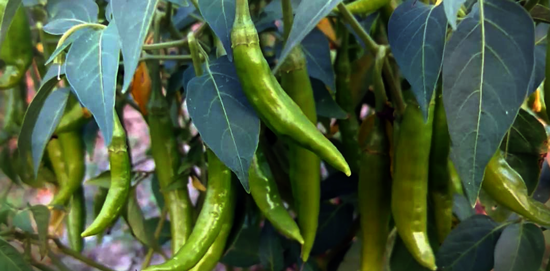
Siling Haba

Image
Siling Haba is a chili variety grown in the Philippines for the chili fruits that are characterized as mahaba or long in English. Haba is a Filipino word for this type of chili variety. In English, Siling haba is called long chili . Siling haba is farmed according to sili production guides .

Santol Fruit

Image
Santol Fruit Tree Santol is a tree producing fruits. The scientific name of santol is Sandoricum koetjape .  Santol tree bears rounded and globular  Fruit which is known in other names as Lolly fruit, Sayai, and wild mangosteen. Santol is a naturally growing tree in the Philippines that grows successfully in the wild. The santol tree is native to South Asia and South East Asia which includes the Malaysia, Indonesia, and the Philippines. Santol fruit is sweet and sour. The ripe fruit are being sold for the commercial value as a street food fruit and is typically sold with vinegar and salt. Santol production guide includes propagation of santol as a backyard tree. The collection of the fruits are done by hand or by using fruit picker (stick). Farming santol is easy since the fruit tree is already adapt to tropical Philippine climate. Santol in English Santol is a Filipino word that refers to the santol fruit and tree. In English language, the plant is known as cotton fru...

Tugi Root Crop

Image
Tugi Root Crop Tugi is a tuber product and is widely grown as a root crop. Tugi belongs to the family Dioscoreaceae. Tugi leaves are alternate and spiral. simple, may be cordate, sagittate. palmate lobed or compound with 3-7 leaflets, with strong side veins from the base. Tugi root crop grows also in India, South East Asia region, Polynesia, and China. Production guide for tugi is about wild cultivation of the Philippine variety on lowland areas where rain can support the vegetation and sloped terrain for easy drain of excess water which can rot the tuber. Most tugi grown are from rural areas of Pangasinan, La Union, Bataan Islands, Cagayan, and Benguet. Farming tugi produces edible root crop that are then sold to public markets at limited supply. Tugi has the scientific name Dioscorea esculenta  and has the name lesser yam or Goa yam in English. Filipino language naming for the tuber is tugi, togi, or tuge. Tugi Nutrient Content Dry tugi tuber contains 83% starch...

Kaimito Growing and Benefits

Image
Kaimito Growing and Benefits Kamito is a Filipino word used to refer to a tree known for its delicious fruits known as kaimito fruit. Kaimito in English is called star apple, purple star apple, golden leaf tree, and milk fruit. Other kaimito names include cainito, caimito, abiaba, pomme de lait, and estrella. Kaimito scientific name is  Chrysophyllum cainito .  Kaimito Fruit Tree Growing and Farming Kaimito is a tropical fruit tree. The tree is important source of local fruit sold in the market due to its high demand. The taste of the fruit is pleasing. It is star shaped when sliced in the middle which made its name star apple. Star apple fruits are sold per kilo and commonly found as violet, purple and green fruit in terms of color. The tree requires big area as it is characterized with a spreading crown, and a height that goes up to 15 meters. Branches are many and slender, the young tips are copper-colored underneath the leave. It is covered with appressed hairs. Lea...

Saluyot Growing and Recipe

Image
Saluyot Growing Saluyot is a Filipino name used to refer to the annual herb called in English as Jute. Saluyot or jute is an erect, soft stemmed shrub, commonly growing at 1 meter but may go up as high as 2 meters. The leaves are green and oblong shaped to lanceolate with pointed ends. Yellow flowers of saluyot bloom as early as 3 to 4 months from time of propagation which are solitary per peduncle with yellow petals on the axils and green sepals. The fruit is formed after successful pollination by bees, butterflies or by wind which gives way to capsule-like green fruit when still immature and will become black or dark brown when mature. The mature fruits contains many black seeds around 400-800 seeds that are amount 0.5 mm in diameter. The propagation guide for saluyot includes planting and care of saluyot for marketing as vegetable. Saluyot is cultivated over a wide range of environments for its leaves. The plant is considered as vegetable in the Philippines. The plant grow...

Benefits of Alugbati

Image
Alugbati Alugbati has a lot of benefits. It is an edible perennial vine that grows in the tropics. It is considered as a vegetable in a form of edible leaf shots. The scientific name of alugbati is Basella alba .  It belongs to the family Basellaceae. it grows in tropical climate and found in Asia and African continents which has favorable conditions for the propagation of alugbati. The plant do not grow well in frost, and can be found on rainy and temperate climates, which suggest it is native in the Southeast Asia region, the islands of New Guinea, and India. It also found success growing in tropical Africa, in South America like Brazil, Belize, Colombia, the West Indies, Oceania island countries, and China. Alugbati is known in English speaking countries as Malabar Spinach, climbing spinach, red vine spinach, vine spinach, buffalo spinach and Ceylon spinach. We will walk through the production guide of alugbati and its propagation int the Philippines. Images of Alugbati ...
Philippine Mahogany Tree

Image
Philippine Mahogany Tree Mahogany is a term used to refer to different types of tree in the Philippines. The popular mahogany commonly seen in the Philippines is grown for its fast growth and hard wood. The scientific name of the introduced mahogany is Swietenia macrophylla.  The common mahogany tree brought during American occupation of the Philippine islands. The species is indigenous from the South American continent and Mexico . It is also called big-leaf mahogany, West Indian mahogany, Honduran mahogany, and Honduras mahogany. Considered as a hard wood, the plant belongs to Meliaceae family which yields genuine mahogany timber and will be covered by our production guide review. The tree has many applications. It can be cultivated and grown for as a source of genuine mahogany wood and can be cut into timber. The wood has the following applications and use: 1. Wood can be used for paneling 2. Making furniture 3. Boats and musical instruments It may also be ...

Snake Fruit

Image
Snake Fruit Snake fruit or alimuran is an edible fruit of the rattan tree that is known to grow in all Philippine islands. It has the scientific name Salacca zalacca . In the Visayan areas, it is known as kayapi. Rattan is known for it's application as a durable handicraft material and is used as an export raw materials of the Philippine handicraft industry. It's fruit is not well known, as the taste is very sour if not properly eaten. Snake fruit is best eaten ripe to get some sweet taste from its soft fruit flesh. It is also better to let the fruit ripen further when it is freshly bought. Eat the fruit 2 to 3 days from date of purchase. Snake fruit can be farmed for the fruits which can be sold at markets and fruit shops. Production guides will boast production and export for the fruits if further developed. Snake fruit variety is known in Indonesia as salak which is a specie of palm tree native on that part in South East Asia. Fruits are more reddish but the cha...

Anonas Fruit

Image
Anonas Fruit Anonas is a tropical tree that can reach up to a height of 30 feet. Anonas has the scientific name Annona excelsa Kunth.  It is the same genus as atis or sugar apple. Leaves are thick, oblong with pointed tip 8 inches across. Anonas is a flowering plant with are greenish-yellow petals blossoming two to three together on lateral peduncles.  Anonas is grown mainly for its fruit. The anonas fruit is heart-shaped red fruit and may have a yellowish red pattern. The fruit is about 4 inches across top to tip. The fruits are conical and spherical. The seeds resemble those of sugar apple. The red skin of the fruit can be easily cut and the sweet and creamy fruit flesh is eaten. The fruit is rich in nutrients. Young anonas fruits are green and red in color. Anonas, custard apple, or bull's heart may grow in many countries where the climate meets the requirement for planting the tree. It has the name in the following languages: Malay: Buah Nona, Lonang, Nona Ka...

Atis Fruit Production

Image
Atis Fruit Sugar-apple or atis has the scientific name Annona squamosa . Other name in use include custard apple, sweet sop, and sugar apple in the Philippines. The name atis came from old Mexican name ate that was brought to the Philippines by Spaniards. Other English name for atis is sweet sop. Atis originated as a native specie in the Americas and was introduced to the Philippines and to the rest of Asia. Atis fruit is mainly produced for its sweet and nutritious fruit. The fruits are green ripe and raw. The young fruit is hard and dark green in color while the near-ripe fruit is yellow green or whitish green. The flowers of the fruit are yellowish or green. The ripe fruits are eaten by opening the segments that tend to easily separate when ripe, exposing the fleshy white and creamy interior. Seeds are not eaten since it is not edible. Atis Fruit Nutrient Value Shown below is the nutritional value for 100 grams of ripe Sugar apple apple or atis fruit: Energy ...

Patani Vegetable Farming

Image
Patani Vegetable Lima beans or patani is a vegetable with seeds as it's edible form. It has the scientific name  Phaseolus lunatus and is considered as a legume. Legumes have symbiotic nitrogen-fixing bacteria in structures called root nodules which makes them less dependent or nitrogen fertilizers. Patani can be grown for crop rotation and as a high value crop which can be sold in the local markets or exported. Production guide includes proper care of patani vegetable. Farming patani is ideal when resource are available and market demand is high. Patani Images Patani Nutritional Value Shown below is the 100 gram cooked Lima bean nutritional value: Energy 115 kcal Carbohydrates 20.88 g Sugars 2.9 g Dietary fiber 7 g Fat  0.38 g Protein  7.8 g Vitamins Vitamin B1 (14%) 0.161 mg Vitamin B2 (5%) 0.055 mg Vitamin B3 (3%) 0.421 mg Vitamin B5 (8%) 0.422 mg Vitamin B6 (12%) 0.161 mg Vitamin B9 (21%) 83 μg Vitamin E (1%) 0.18 mg Vitamin K...

Siling Labuyo Farming

Image
Siling Labuyo Siling labuyo is a chili pepper variety native to the Philippines. Siling labuyo has the scientific name Capsicum frutescens . Siling labuyo translates to English as wild chili. The Filipino cuisine makes use of siling labuyo as a spice. The fruits are mainly marketed for its flavor and spice. The leaves is also sold as bundled leaf shots. Due to many use of the plant, siling labuyo farming can be grown anywhere in the Philippines for high value cropping. Siling labuyo plant grows between 0.3 to 1.2 meters high and consists of smooth ovate and flat leaves that are 6.5 cm in length from end to end with pointed tips. The fruits are small with less than an inch long. The young fruits are green in color. They develop from whitish green flowers that are self-pollinating. Siling labuyo fruits are small but stands out in terms of hotness as a spice. Fruits are used in many Filipino cooking recipes and also used as condiments together with calamansi and soy sauce as a favori...